

Can You Take the SIE Without a Sponsor? Yes, Here's How
Short answer
Yes. FINRA lets anyone 18 or older enroll in the SIE and pay the $100 fee without being associated with a firm, and the pass stays valid for four years. You still need a sponsoring firm for the Series 7 or another representative exam before you can register and work.
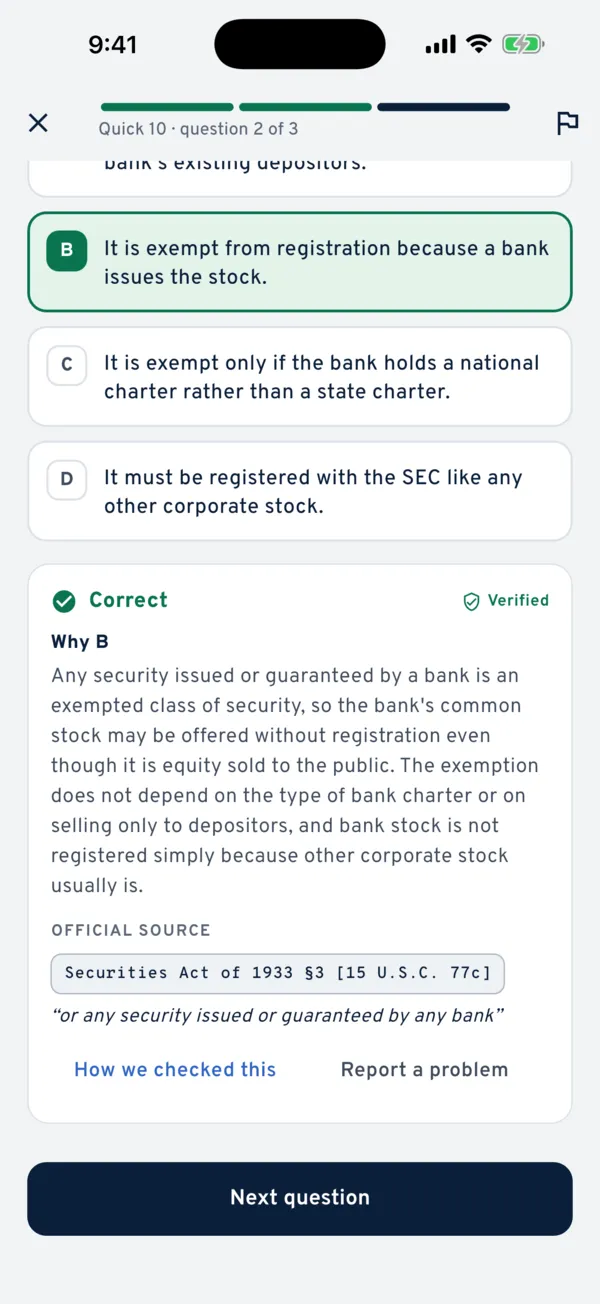
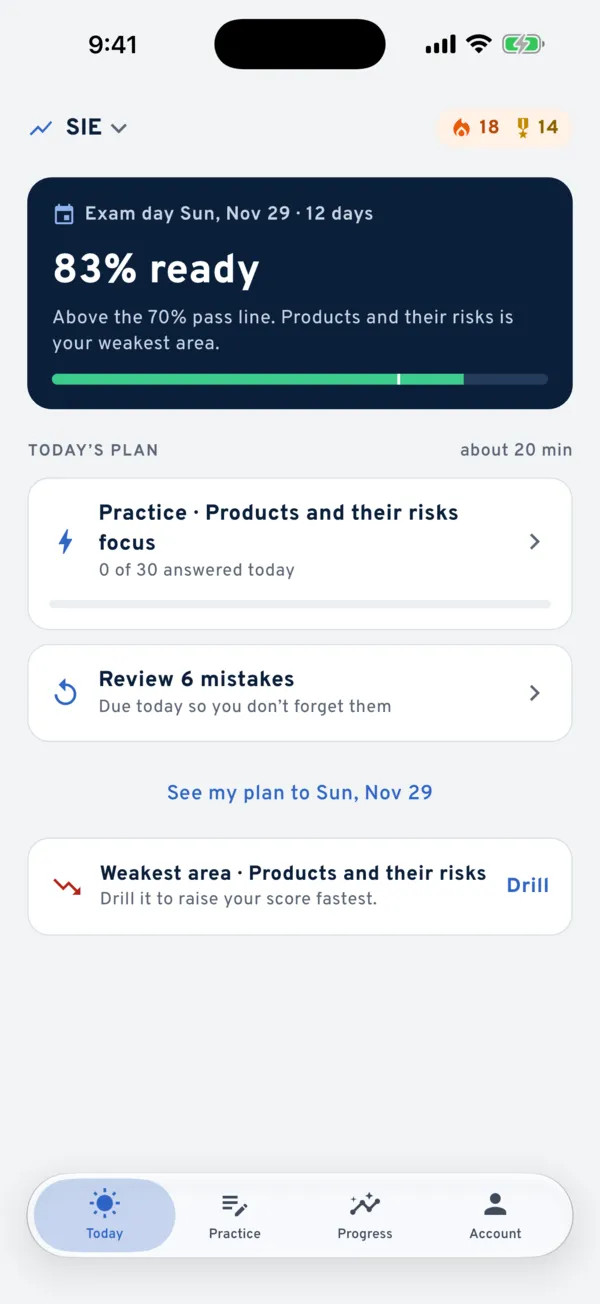
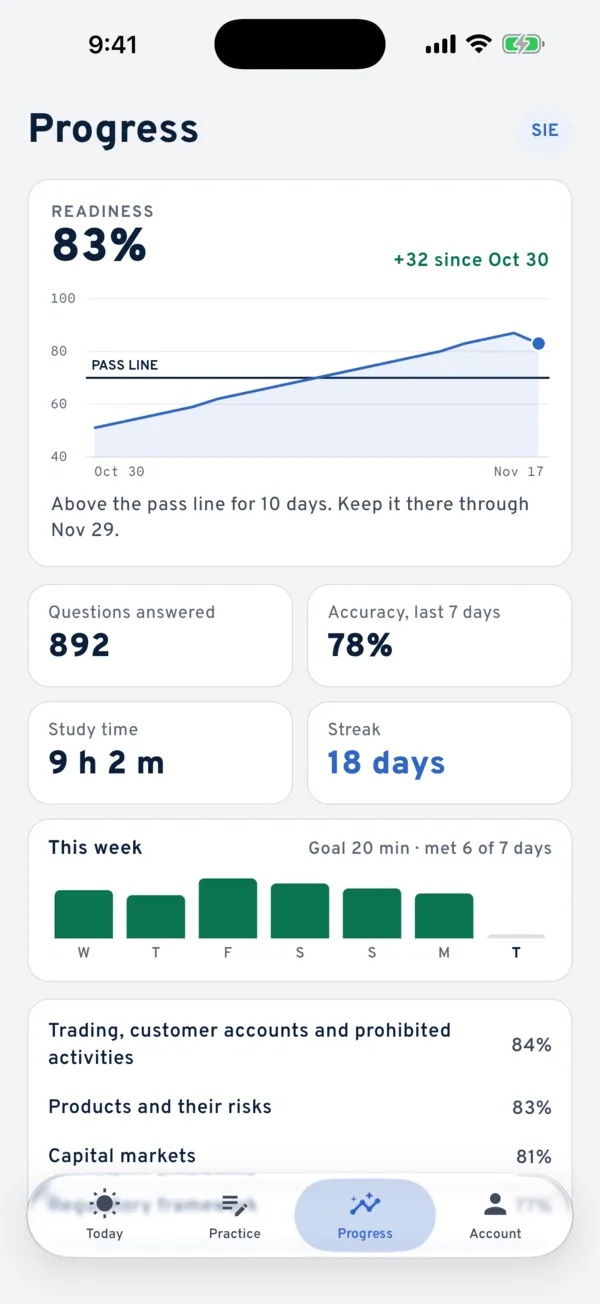
Yes, you can take the SIE without a sponsor. FINRA says association with a firm isn’t required for the Securities Industry Essentials exam, and anyone 18 or older can enroll, including students.1 It’s the only FINRA qualification exam built that way, and that’s deliberate. It lets you prove you know the basics before anyone hires you.
Who can sign up on their own
The rules are short. You must be at least 18, and that’s it.1 There’s no degree requirement, no work history requirement and no firm involvement. Career changers, college students, people coming from banking or insurance, and people who just want to understand the industry all take it.
What the SIE doesn’t do is make you a registered representative. FINRA’s registration rule says passing the SIE alone doesn’t qualify anyone for registration.3 You’ll still need a firm to hire you and sponsor you for a representative exam such as the Series 7, which FINRA only opens to people associated with a member firm.5 Think of the SIE as the half of the licensing process you can finish yourself.
How to enroll without a firm
The do-it-yourself process runs through FINRA’s website and Prometric, the test vendor.
- Create an individual FINRA accountUse FINRA's enrollment portal for individuals. FINRA recommends a Windows laptop or desktop, since some people have had enrollment problems on Mac, mobile and tablet devices.
- Enroll in the SIEChoose the SIE and pay the $100 fee by credit card or ACH, or enter a voucher code if a school or training company gave you one.
- Watch for your windowEnrollment opens a 120-day window. You have to test inside it, and FINRA doesn't grant extensions.
- Book with PrometricSchedule a test center seat or an online appointment. Any SIE candidate with an open window can test online with a remote proctor.
The enrollment steps and the Windows tip come from FINRA’s SIE page,1 and the 120-day window and online rules from FINRA’s scheduling page.2
What it costs
The SIE fee is $100.1 It was $80 until FINRA’s scheduled fee adjustment raised it on January 1, 2026.4 If you’re paying out of pocket, that’s the whole exam cost. Each retake is a new enrollment and a new fee, so it pays to be ready the first time.
Some schools and training companies buy vouchers in bulk, so ask your career office or prep provider before paying full price.1 If you’re already in a firm’s hiring pipeline, ask whether it will reimburse you. Many firms pay for the SIE once you’re hired, but you’ll need to keep your receipt.
Why take it before you’re hired
There are three good reasons to take the SIE on your own.
It shortens onboarding. A firm that hires you still needs you to pass the Series 7 (or another representative exam) before you can do business. If the SIE is already done, you’re one exam away instead of two.
It’s easier to study for now. The SIE covers capital markets, products and their risks, trading and accounts, and the regulatory framework. That’s general knowledge that doesn’t depend on a firm’s training program. If you’re a student, you may already be studying half of it.
It signals effort. Hiring managers for entry-level roles see a lot of applicants who say they’re interested in the industry. A passed SIE is proof. It doesn’t guarantee an offer, but it answers the obvious question before it’s asked.
The one reason to wait is timing. Your pass is valid for four years.1 If you’re a first-year student who won’t apply for jobs until after graduation, you might pass it too early. FINRA’s rule requires you to retake it if four years pass without a registration.3 Most people take it in the six months before they start applying.
What you still need a sponsor for
Once you’re hired, your firm sponsors you for the representative exam that matches your job. For most brokers and financial advisors at broker-dealers, that’s the Series 7, which costs $395 and needs firm sponsorship.5 The SIE is the Series 7’s co-requisite, so you need both passes before FINRA approves your registration.5 Most states also require you to pass a state law exam, usually the Series 63 or Series 66, before you can do business with their residents.
Our SIE guide covers the test itself, and SIE vs Series 7 explains how the two exams split the material.
What you’ll be tested on
The SIE has four sections, and two of them carry most of the weight. Knowledge of capital markets is 16% of the scored questions, understanding products and their risks is 44%, understanding trading, customer accounts and prohibited activities is 31%, and the regulatory framework is 9%.1 In questions, that’s 12, 33, 23 and 7 out of 75.1
If you’re studying without a firm’s training program, that split tells you where to start. Products and trading are three quarters of the exam. A student who already knows how bonds are priced and how mutual funds work has a head start on the biggest section. A career changer from banking will probably find the account and anti-money laundering material familiar. Nobody gets the regulatory section for free, but it’s only 7 questions, and it’s mostly memorization.
The passing score is 70, and it’s a scaled score rather than a straight percentage.1 You have 1 hour 45 minutes.1
Online or test center
You can take the SIE at a Prometric test center or online with a remote proctor.2 Online testing for the SIE is open to anyone with an open enrollment window, which isn’t true of most other FINRA exams. For the Series 7, online testing needs an approved accommodation.2
Online testing needs a camera you can use for a 360-degree room scan, either a USB webcam or an undocked laptop with a built-in camera, and Prometric’s ProProctor app with a passed system check.2 If your home internet is unreliable or you share your space, a test center is the safer choice. A dropped connection during a remote exam is a headache you don’t need.
If you fail
You can retake the SIE after a waiting period. Under the current rule, that’s 30 days after a first or second failure and 180 days after three failures within two years.3 FINRA is cutting those waits to 15 and 60 days on January 19, 2027, under Regulatory Notice 26-18.6
Failing the SIE doesn’t stop a firm from sponsoring you for the Series 7 in the meantime, since the waiting period only applies to the exam you failed. But you’ll need both passes to register, so treat the SIE seriously the first time. The score report breaks down your performance by section, which tells you exactly where to focus the retake.
Clinched has an SIE course with explanations that quote the rule behind every answer.
Questions people ask
Can a college student take the SIE?
Yes, as long as you're at least 18. FINRA's SIE page says association with a firm isn't required and specifically mentions students as candidates. Many people take it in their final year of school before job interviews.
Does passing the SIE let me work as a broker?
No. Passing the SIE alone doesn't qualify you for registration. You also need to pass a representative exam such as the Series 7, which requires a sponsoring firm, and then the firm registers you.
How long do I have to find a sponsor after passing the SIE?
Four years. If you're not registered with a firm within four years of passing, you'll have to take the SIE again.
Sources
ClinchedSIE
Pass SIE on the first try.
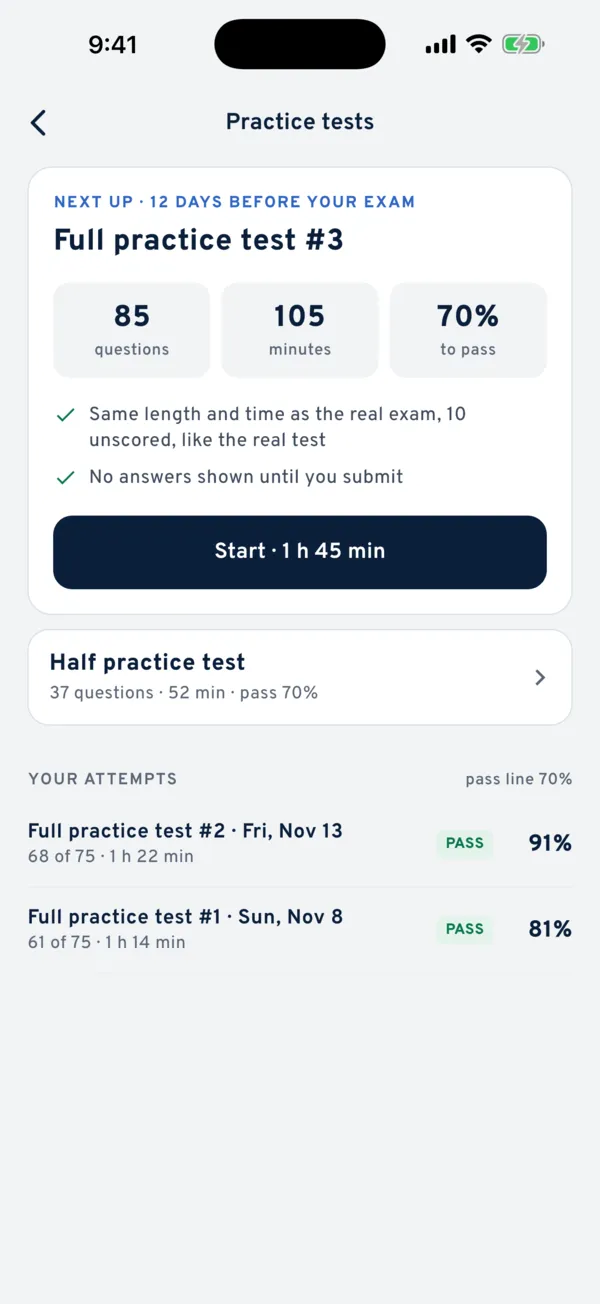
Practice questions written from the official sources, full practice tests in the real format and a plan that ends on your test date. Free to start.
Keep reading
- After the exam · SIE · Series 7
 Which Securities Licenses Do You Need, and in What Order?Most brokers need the SIE, Series 7 and Series 63. Advisers need the Series 65. Dual reps add the Series 66. The order, costs and sponsor rules for each license.
- Exam guide · SIE · Series 7
 SIE vs Series 7: How the Two FINRA Exams Fit TogetherThe SIE has 75 scored questions and needs no sponsor. The Series 7 has 125 and needs a firm. How they differ in content, cost and difficulty, and which comes first.
- Exam guide · SIE · Series 7
 FINRA and NASAA Retake Waiting Periods Change in January 2027FINRA cuts SIE and Series 7 retake waits to 15 and 60 days on January 19, 2027. NASAA cuts the third-failure wait to 60 days on January 4. What changes for you.